

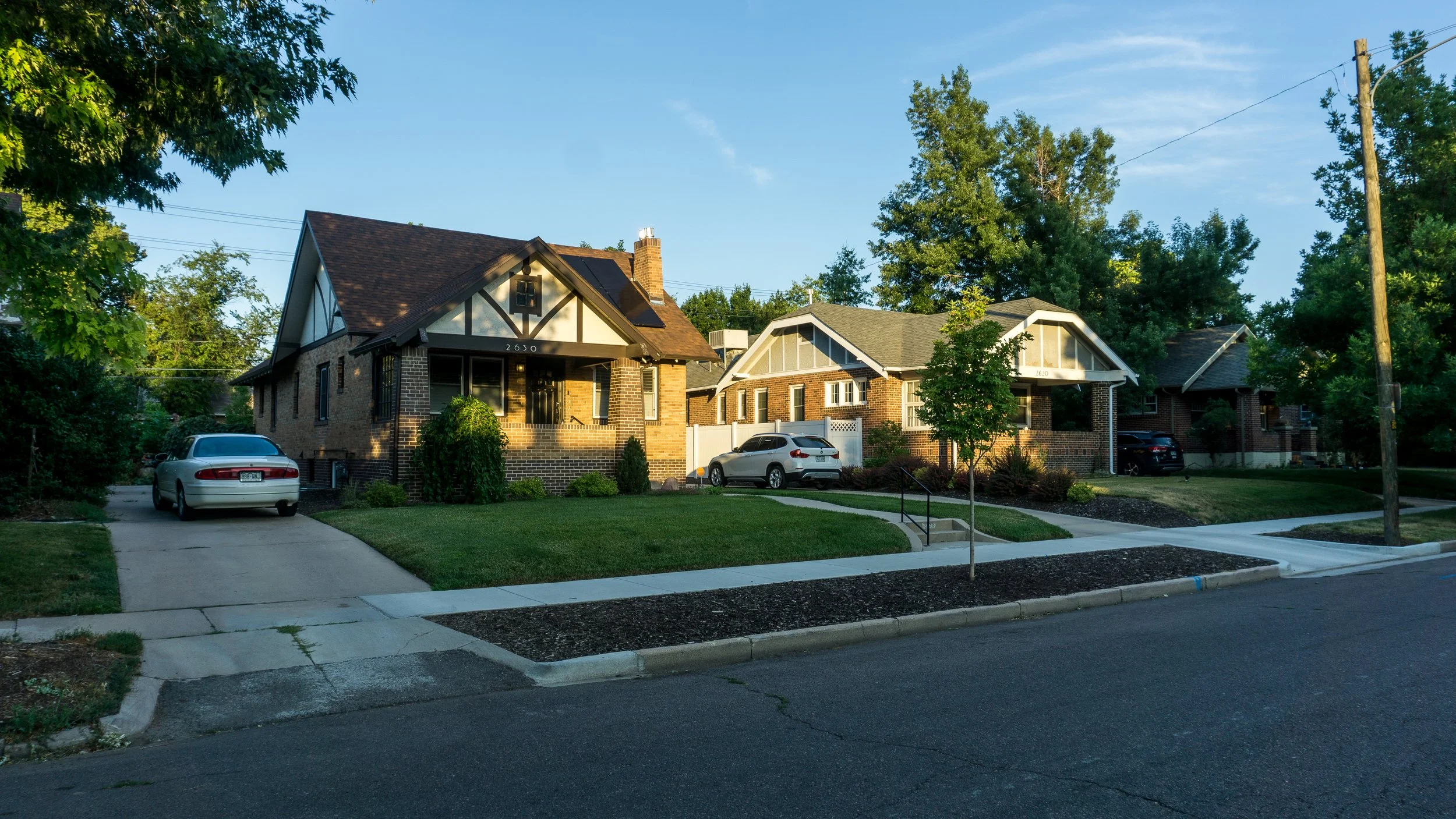
Northeast Denver Housing
Health Impact Assessment
This Health Impact Assessment (HIA) explores how housing affordability directly shapes the health and well-being of residents in nine Northeast Denver neighborhoods. As some of the city's oldest historically Black communities, these areas face significant pressures from gentrification and displacement.
The report identifies a clear link between the lack of stable, affordable housing and negative health outcomes, including higher rates of diabetes, asthma, and mental distress compared to the rest of Denver. To address these disparities, the HIA outlines actionable strategies across seven key priority areas:
Housing Affordability & Displacement: Recommends constructing family-sized (3-4 bedroom) and for-sale units to build generational wealth and prevent involuntary displacement.
Transportation & Walkability: Focuses on improving sidewalk connectivity, increasing tree canopy to reduce extreme heat, and implementing traffic calming near high-injury corridors.
Healthy Food Access: Proposes community gardens, kitchens, and strategies to attract full-service grocery stores to current "food deserts".
Health Care Access: Suggests integrating on-site health clinics, telehealth spaces, and resident service coordinators in new housing developments.
Economic Opportunity: Emphasizes providing space for workforce training, small businesses, and ensuring universal access to high-speed internet and devices.
Child Care Access: Highlights the need for on-site early childhood education centers to support working parents and child development.
Community Cohesion: Advocates for designing gathering spaces that foster human connection to combat the growing public health crisis of loneliness.
This assessment serves as a roadmap for developers, policymakers, and community leaders to ensure that future investments in Northeast Denver prioritize the health and stability of its longtime residents.